

Quick answer: The most common resume mistakes that cause rejection are: a complex design that fails the automated screening system, listing duties instead of numerical achievements, spelling errors, a generic CV not tailored to the job, excessive length, and wrong or missing contact details. The golden rule: review your resume with a critical eye before sending, because one small mistake can knock you out of the race even if you're the best fit for the job.
Introduction: Why Are Strong Resumes Rejected?
One of the most frustrating situations is having the required experience and qualifications, yet receiving no response to your application. Often the reason isn't a lack of competence, but mistakes in your resume that knocked it out of the running before it ever reached real evaluation.
In today's competitive job market — especially in Saudi Arabia, where a single job receives hundreds of applications — a recruiter has no luxury to overlook mistakes. A small error can signal carelessness, or an unsuitable design can make the screening system reject you automatically.
The good news is that most of these mistakes are simple and fixable in minutes. In this guide, we'll reveal the most common mistakes that get your application rejected, and how to avoid them to measurably raise your chances. And if you want to build your resume correctly from scratch, start with the guide on how to write a professional CV.
Mistake #1: A Design That Fails Applicant Tracking Systems
This mistake is the silent killer. Most large companies use Applicant Tracking Systems (ATS) to filter resumes automatically, and if your design is complex, it may be rejected before a human ever sees it.
The most common design elements that confuse the system:
Nested tables and multiple columns.
Images, graphics, and icons.
Non-standard decorative fonts.
Placing important information in the header or footer.
The fix: use a simple, clean design with standard section headings. To understand exactly how to pass these systems, see the ATS section in the CV writing guide.
Mistake #2: Listing Duties Instead of Achievements
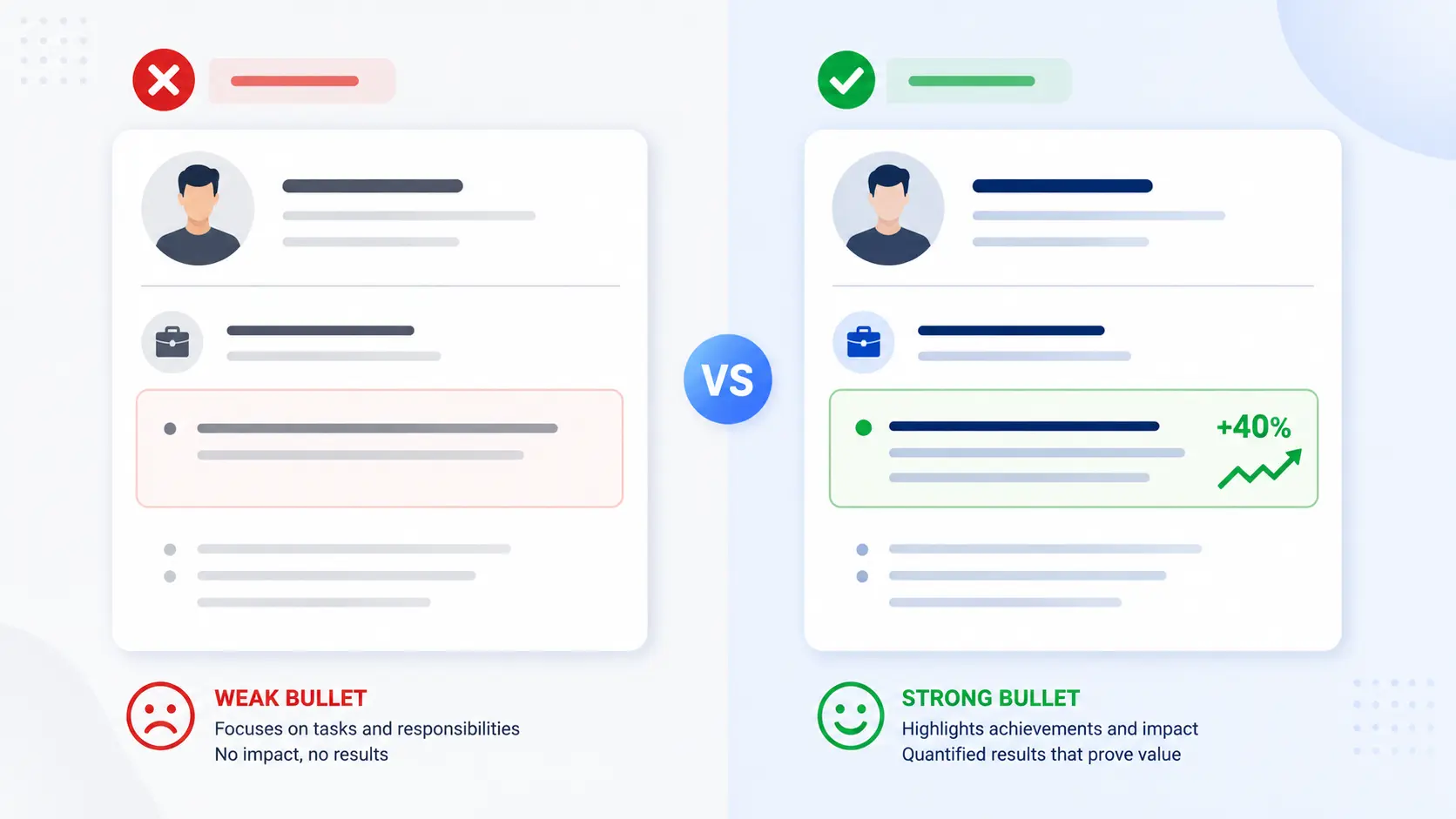
One of the most common mistakes is writing what was expected of you instead of what you actually achieved. Phrases like "responsible for sales" or "worked on projects" say nothing about your real value.
The difference between an average and an outstanding candidate lies in turning duties into numerical achievements:
Weak phrasing | Strong phrasing |
|---|---|
Responsible for customer service | Improved customer satisfaction by 30% in 6 months |
Worked on marketing campaigns | Launched a campaign that raised sales by 20% |
Numbers build credibility and leave a mark. To dig deeper into framing achievements, read the guide on writing a strong professional summary.
Mistake #3: Spelling and Grammar Errors
It may seem like a minor error, but it's among the biggest turn-offs for recruiters. A spelling mistake gives an immediate impression of not caring about details — a trait no employer wants.
To avoid it:
Review your resume more than once, carefully.
Read it aloud to catch clumsy sentences.
Use a proofreading tool.
Ask someone else to review it — a second pair of eyes catches what you miss.
Remember that an error-free resume reflects your professionalism even before its content is read.
Mistake #4: A Generic, Untailored Resume
Sending the same resume to every job is one of the biggest causes of rejection. Each job has its own requirements, and a generic resume doesn't show that you're the best fit for any of them specifically.
The smart applicant tailors their resume to each posting:
Adjusts the professional summary to match the job.
Highlights the most relevant skills and achievements.
Uses keywords from the posting itself.
This tailoring takes only minutes but greatly raises your chances and sets you apart from applicants who send one text to everyone.
Mistake #5: Excessive Length or Damaging Brevity
Balance matters. A resume that's too long exhausts the reader and scatters focus, while one that's too short suggests weak experience or little interest.
The general rule:
One page: for fresh graduates and those with limited experience.
Two pages maximum: for those with long experience.
Focus on information relevant to the job and cut anything that adds no value. Quantity isn't a sign of strength; clarity and focus are what make an impact.
Mistake #6: Wrong or Missing Contact Information
It may seem like an obvious detail, but it's a frequent and costly mistake. A wrong phone number or an old email could mean losing the opportunity even if the employer liked your resume.
Always confirm:
The phone number and email are correct.
You use a professional email (no informal nicknames).
You add an updated LinkedIn link if you have one.
The details are free of any typos.
Check your contact information twice — it's the only link between you and the opportunity.
Mistake #7: Overloading With Personal Information
Many applicants fill their resumes with personal details unrelated to the job, taking up valuable space and distracting from their real qualifications.
Avoid mentioning:
Excessive details unrelated to the job.
Information that could lead to unnecessary bias.
Hobbies unrelated to the field.
Make every line in your resume serve one goal: convincing the employer you're the best fit for the job.
Other Mistakes Worth Noting
Beyond the major mistakes, watch out for these details that weaken your resume:
Not ordering experience chronologically (most recent to oldest).
Using third-person phrasing instead of direct action verbs.
Unexplained time gaps with no clarification.
Inconsistent formatting in fonts and spacing.
Saving the file with an unprofessional name like "cv final 2".
These small details combined can make a big difference in the final impression.
How to Review Your Resume Before Sending
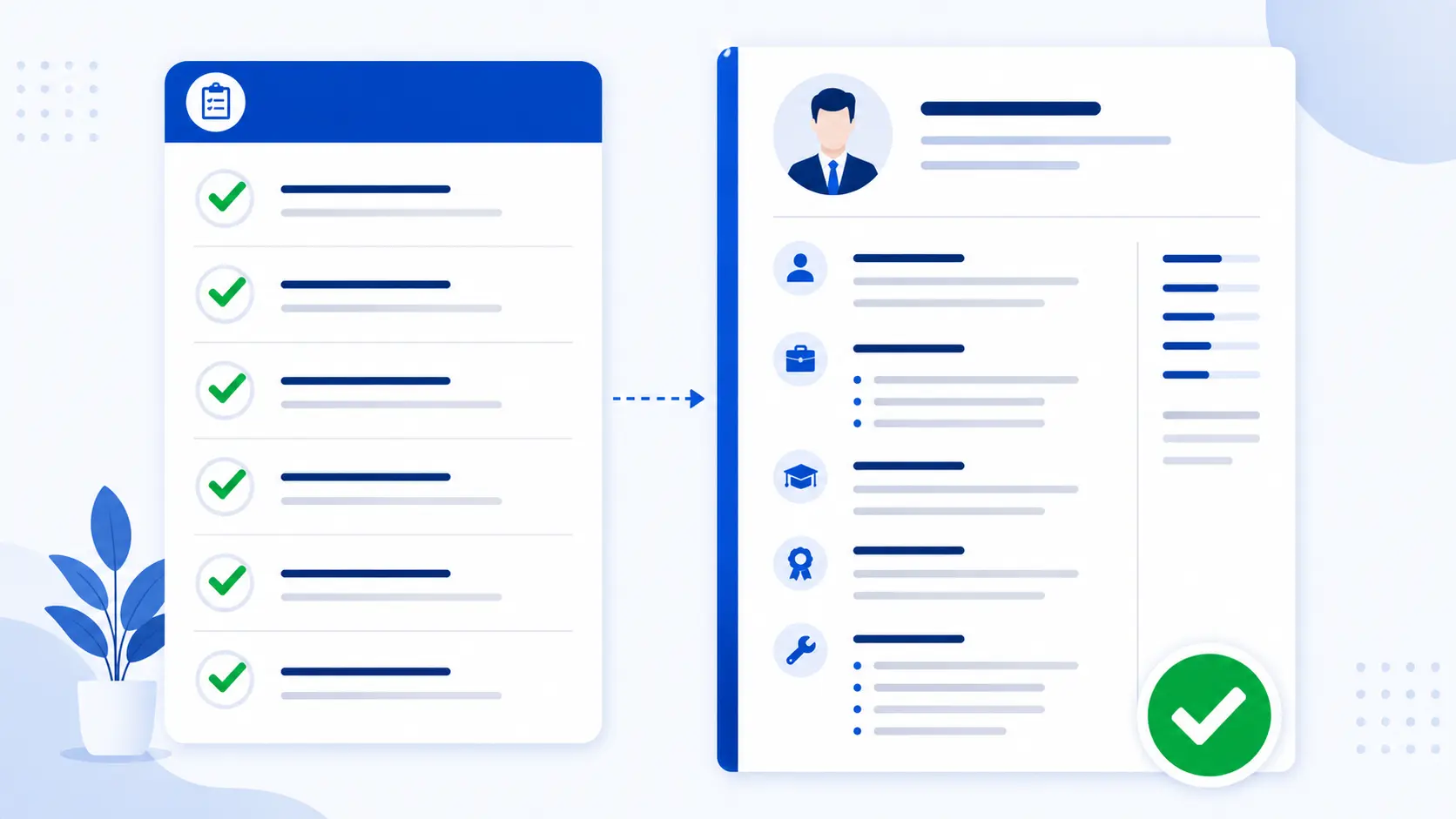
Before you send your resume, spend 10 minutes on a final review against this checklist:
Is the design simple and ATS-friendly?
Have you turned duties into numerical achievements?
Is the resume completely free of spelling errors?
Have you tailored it to this specific job?
Is the length appropriate (one or two pages)?
Is the contact information correct and up to date?
If you answer yes to all six, your resume is ready to make a strong impression.
For additional professional standards on reviewing your resume, you can refer to trusted resources such as Harvard's résumé guide.
Conclusion
The mistakes that get your resume rejected aren't always about weak experience — often they're in simple details that can be fixed. An unsuitable design, listing duties without numbers, spelling errors, or a generic resume — all are barriers that knock you out of the race before you start.
The good news is you now know these mistakes and how to avoid them. Review your current resume against what you've learned and fix what you find. Remember: in a competitive market, small details are what separate those invited to interview from those whose applications are ignored.
Frequently Asked Questions About Resume Mistakes
What is the most common mistake that gets a resume rejected?
One of the most common causes of rejection is a complex design that fails Applicant Tracking Systems (ATS), where the resume is filtered out automatically before a human sees it. Next come listing duties instead of achievements and spelling errors.
Do spelling errors really affect my chances?
Yes, significantly. Spelling and grammar errors give an immediate impression of not caring about details — a trait employers avoid. Review your resume more than once and use a second pair of eyes to catch them.
How long should a resume be?
One page is enough for fresh graduates and those with limited experience; two pages maximum for those with long experience. What matters most is focusing on job-relevant information and cutting anything that adds no value.
Should I send the same resume to every job?
No — sending a generic resume to every job is one of the biggest causes of rejection. Tailor your resume to each posting by adjusting the summary, highlighting the most relevant skills and achievements, and using the posting's keywords.
Your Practical Step Now
Don't delay. Today only:
Review your current resume and fix the first two mistakes you find from the list, or
Turn its complex design into a simple one that passes screening systems.
A small start today beats the perfect resume you never review.