

LinkedIn is no longer just a site for displaying your resume — it has become the largest professional platform in the world and a real gateway to jobs you won't find anywhere else. Millions of companies search for their candidates on it, and many job offers begin with a message from a recruiter who found your profile impressive. In 2026, those who master using LinkedIn smartly don't wait for opportunities; opportunities come to their door.
But simply being on the platform isn't enough; the difference between a neglected profile and one that attracts employers is huge. In this guide, you'll learn step by step how to build a professional profile on LinkedIn, how to expand your network, and how to use the job search tools, to turn the platform into a powerful tool that brings you closer to your dream job. And before you start, make sure your resume is consistent with your profile through our guide on how to write a professional CV.
✍️"Your professional profile is an employee working for you around the clock. When you build it professionally, it attracts opportunities even while you sleep."
Why Has LinkedIn Become a Necessity for Every Job Seeker?
LinkedIn differs from any other job platform in that it combines job listings and professional networking in one place. Recruiters search it for candidates with specific qualifications, companies share their culture and news, and professionals exchange expertise and opportunities. A strong presence on it makes you visible to those searching for your skills, gives you professional credibility, and opens the door to direct contact with those who make hiring decisions. Simply put, anyone without a good presence on LinkedIn misses one of the most important hiring channels in 2026.
Step One: Build a Complete Professional Profile
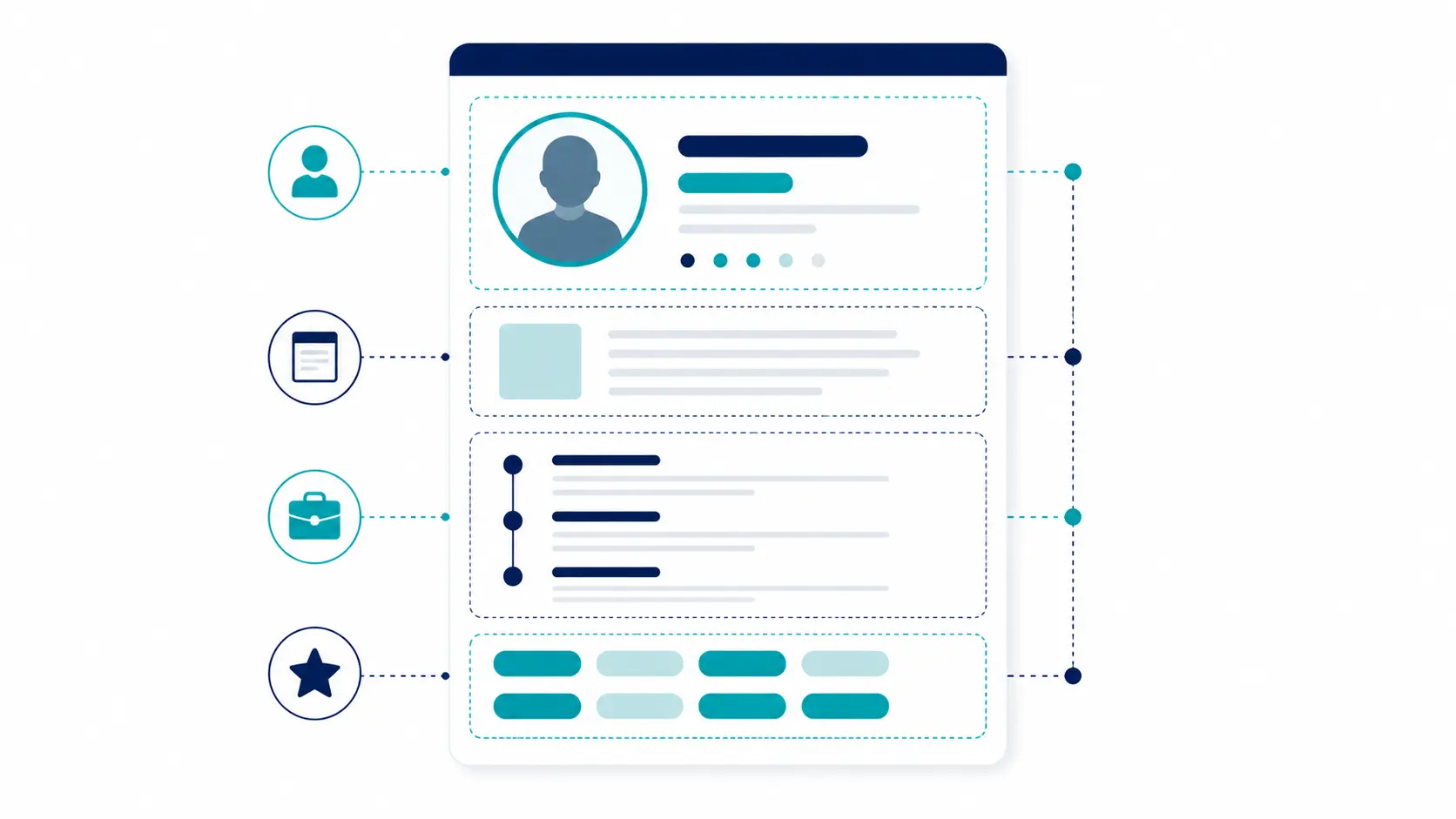
Your LinkedIn profile is your first storefront, and every element in it creates an impression. To build a strong profile, attend to these essential elements:
Profile photo: Choose a clear, professional photo with a simple background and a friendly expression, as profiles with a professional photo get far more attention.
Headline: Don't settle for your job title — make it reflect your specialization and value in a catchy sentence.
About section: Write a paragraph introducing yourself, your experience, and your ambition in a personal yet professional style, including keywords related to your field.
Experience: Add your previous jobs while highlighting your achievements with numbers, not just your duties.
Skills and recommendations: Add skills related to your field, and ask for recommendations from former colleagues to boost your credibility.
Step Two: Use the Right Keywords
LinkedIn is a search engine at its core, and recruiters search it for candidates using specific keywords. If your profile doesn't contain these words, it won't appear in their results no matter how qualified you are. To improve your visibility, read the postings for the jobs you target and extract the recurring terms, then weave them naturally into your headline, about section, experience, and skills. This simple optimization may multiply how often you appear in employers' searches.
Step Three: Expand Your Network Smartly
LinkedIn's real power is in your network. The more thoughtfully your network grows, the greater your chances of reaching opportunities and opportunities reaching you. Don't settle for adding people you know — connect with specialists in your field, former colleagues, and recruiters at companies you aspire to. When sending a connection request, attach a short, polite note introducing yourself rather than an empty request. Most importantly, engage positively with others' posts and share useful content, as this keeps you present in their minds.
Table: LinkedIn Profile Elements and Their Impact
Element | Its Impact on Your Chances |
|---|---|
Professional photo | Increases the trust of profile visitors |
Headline | Determines your search visibility |
About section | Communicates your value and ambition |
Keywords | Raise your visibility to recruiters |
Recommendations | Boost your credibility |
Engagement and content | Keep you present in the network |
Step Four: Use the Job Search Tools
LinkedIn offers powerful job search tools many people don't fully leverage. Activate the "Open to Work" feature to let recruiters know you're seeking an opportunity, set up job alerts so suitable opportunities reach you as soon as they're posted, and use the filters to search by field, location, and work type. You can also follow companies you aspire to work for to keep up with their jobs and news first. These tools turn your search from random into targeted and precise.
Step Five: Engage and Build a Professional Presence
A silent profile is quickly forgotten, while an active profile stays present. Set aside weekly time to engage on the platform: comment usefully on posts in your field, share articles or ideas that reflect your expertise, and congratulate your colleagues on their achievements. This continuous engagement gradually builds your professional reputation and makes your name appear before your network regularly, increasing the chance someone remembers you when a suitable opportunity arises. You don't need to be a professional writer — it's enough to be present and useful.
Common LinkedIn Mistakes That Weaken Your Chances
Many people have a LinkedIn account but fall into mistakes that lose its value. The most notable:
Incomplete profile: A missing photo, summary, or experience reduces visitors' trust.
Weak headline: Settling for a generic title reduces your search visibility.
A static network: Not expanding or engaging makes your profile isolated.
Empty connection requests: Sending without an introductory note reduces your acceptance rate.
Complete absence: An unused account offers you no value.
Avoiding these mistakes turns your profile from a mere formality into an effective tool that attracts opportunities.
How to Turn Your Profile Into Real Opportunities
Building the profile is one step, and turning it into a job is another. When your profile becomes strong, your network wide, and your presence active, opportunities will start to appear: messages from recruiters, invitations to apply, or opportunities through a referral from someone in your network. At that point, your good interview preparation is what turns the opportunity into an actual job. Review our guide on how to prepare for a job interview step by step to be ready. For more official guidance on using the platform, you can visit the LinkedIn Help Center.
How to Reach Out to Recruiters With Direct Messages
One of LinkedIn's strongest features is the ability to contact recruiters and decision-makers directly, but it's a feature often misused. A successful direct message isn't a sudden job request, but the beginning of a professional relationship. Start with a brief introduction of yourself, clearly explain why you're reaching out, show genuine interest in the company or the recruiter's field, and end with a clear, polite request without pressure. Avoid generic copied messages you send to everyone, as they're easily spotted and ignored. A customized, thoughtful message, even if it doesn't bear fruit immediately, leaves a positive impression that may open a door later. Remember that the goal is building a relationship, not extracting a job in a single message.
How to Benefit From Following Companies and Their Content
Following the companies you aspire to work for isn't just a button you press, but a smart strategy. When you follow a company, its jobs, news, and culture appear to you first, giving you an edge in knowing about opportunities early and applying before the rush of competitors. Thoughtful engagement with a company's posts — a useful comment or a smart question — also keeps your name present before its team before you officially apply. Also follow the content posted by leaders in your field, as it keeps you informed of the latest developments and gives you ideas that strengthen your expertise. The platform is a source of continuous learning as much as it is a job search tool, and those who leverage both sides advance faster.
Final Thoughts
LinkedIn is a powerful tool to the extent you use it well. Build a complete professional profile, use the right keywords, expand your network smartly, leverage the job search tools, and engage to build a professional presence that makes you visible. When you bring these elements together, your profile turns into a magnet that attracts opportunities instead of you chasing them. The job you dream of may be just one professional profile and an active network away.
Start exploring the latest job opportunities on NabdJobs, and let your strong professional presence be your gateway to your dream job.