

Quick answer: A cover letter is a short message that accompanies your CV to explain why you're the right candidate for this specific job. To write it effectively: open with an attention-grabbing sentence, connect your experience to the company's need, highlight one standout achievement, show your enthusiasm for the role, then close with a clear call to connect. The golden rule: don't repeat your CV — tell the story that completes it, and tailor every letter to every job, because a generic letter is ignored while a tailored one grabs attention.
Introduction: Why Is the Cover Letter Your Secret Weapon?
Many job seekers ignore the cover letter, thinking it's a formality with no value, or they send one generic letter for every job. In both cases, they waste a golden opportunity to set themselves apart.
A good cover letter is what turns you from just a CV among hundreds into a real person with a convincing story. While the CV lists your facts, the cover letter gives you space to explain why you fit this specific job and how you can add value to the company.
In this guide, you'll learn how to write a cover letter that grabs the recruiter's attention from the first line, in a tailored and convincing style. It's an essential complement to your CV, as the two together build a strong application.
What Is a Cover Letter and When Do You Need It?
A cover letter is a short message (half a page to a page) that accompanies your CV when applying for a job. Its mission is to introduce you, explain your motivation, and personally connect your qualifications to the job's need.
When do you need it?
When the posting explicitly requests it (then it's mandatory).
When applying directly via email.
When you want to stand out, even if not required.
When changing your career field, to explain your transition.
Even when not requested, a good cover letter may be the difference that sets you apart from an equally qualified candidate.
The Difference Between a Cover Letter and a CV
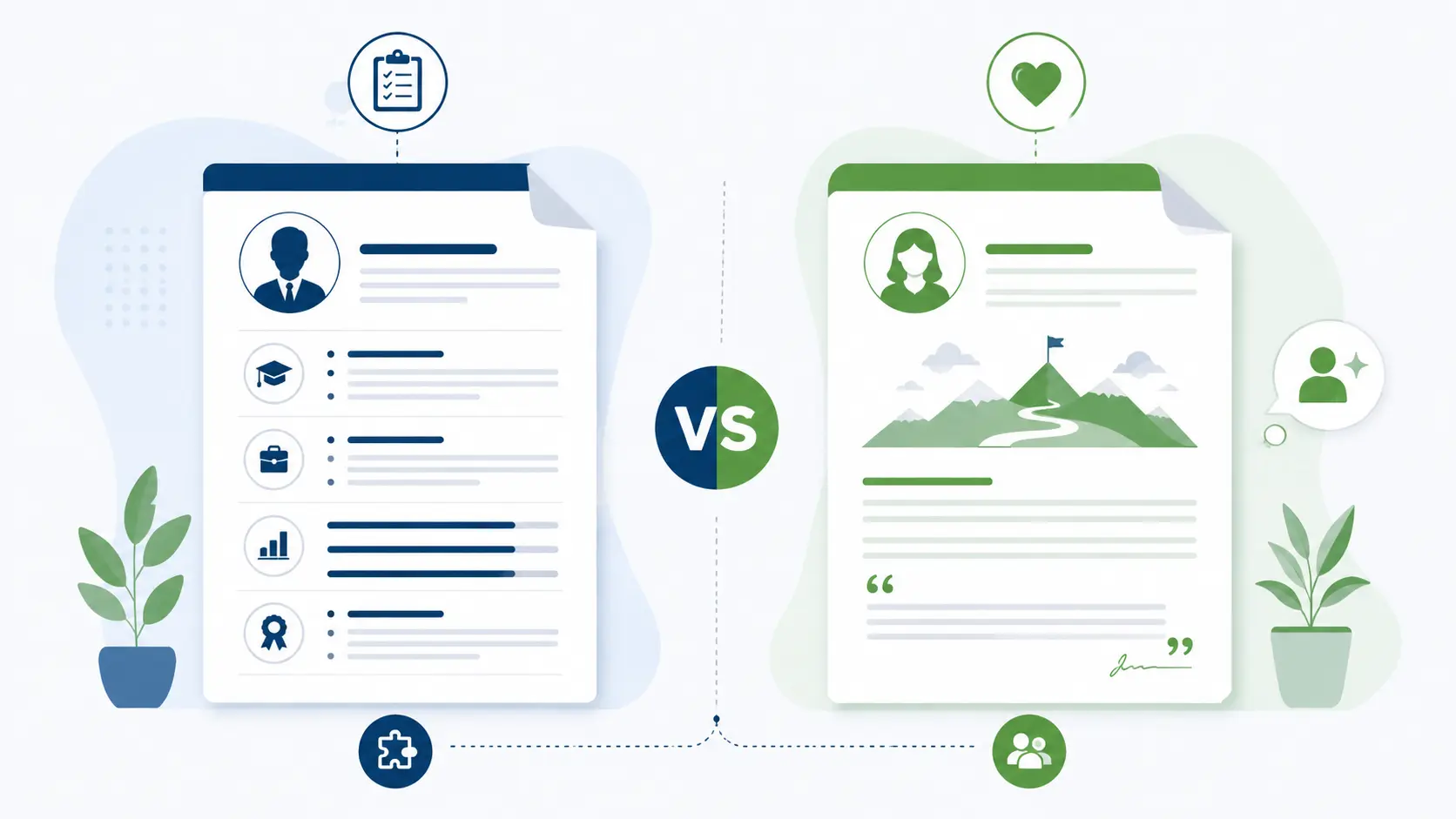
A common mistake is repeating your CV in your cover letter. But each has a different role:
The CV: lists your facts (experience, skills, education) in an organized, concise way.
The cover letter: tells your story and explains why these facts make you right for this specific job.
In other words: the CV says "what you did," and the letter says "why it matters and why I'm the best fit." The letter adds the human, personal dimension the CV lacks.
The Structure of an Effective Cover Letter
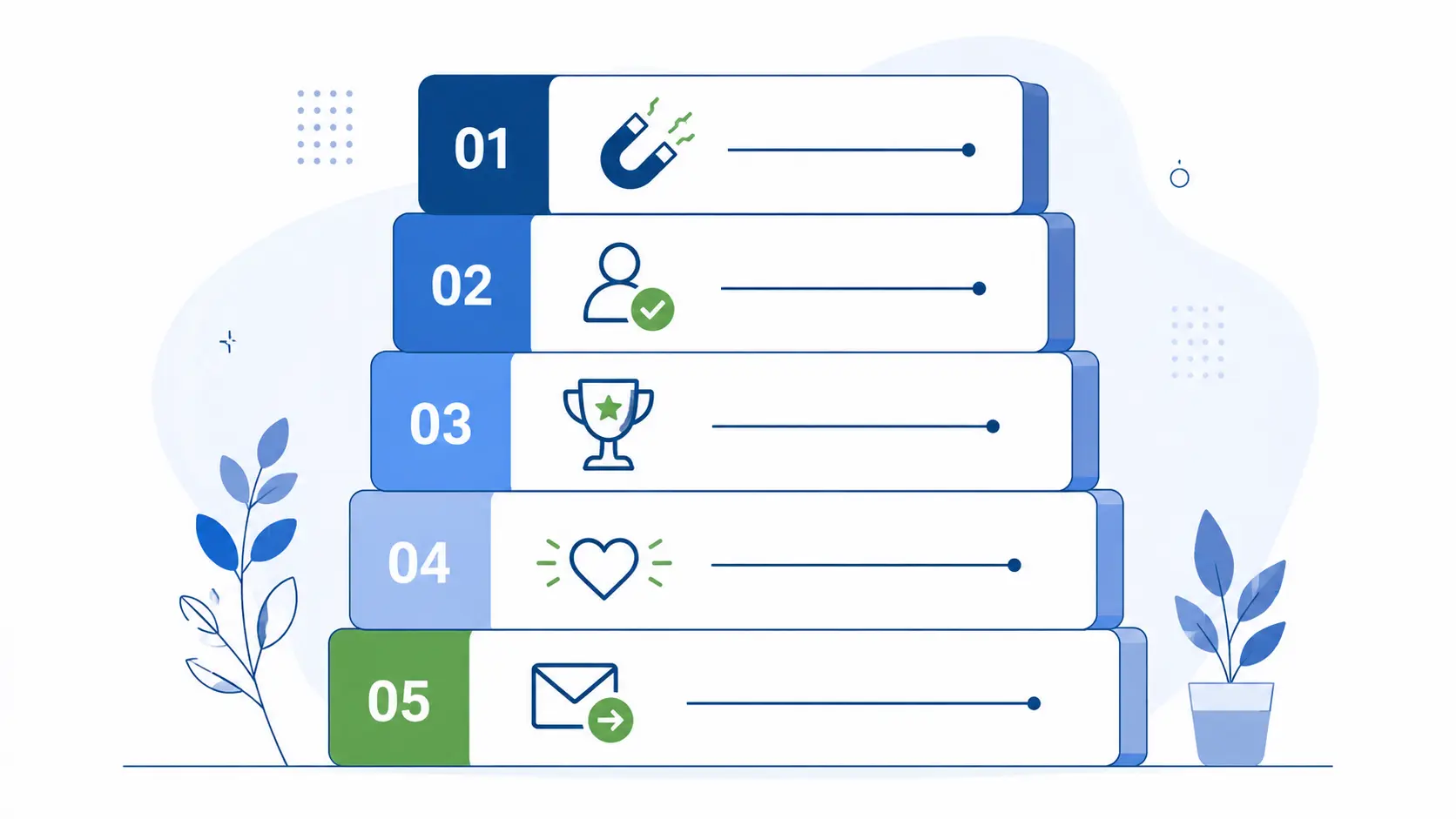
A strong cover letter is built from clear parts, each playing a role:
1. The Attention-Grabbing Opening
Open with a sentence that grabs attention, not a dull, traditional phrase. Mention the job you're applying for and show your enthusiasm for it from the first line. Avoid faded openings like "I'm writing to apply for...".
2. Why You're the Right Fit
This is the heart of the letter. Connect your experience and skills to the job's specific need. Show that you understood what the company is looking for and how you meet it.
3. One Standout Achievement
Choose one strong achievement (with numbers if possible) that proves your value. Don't list everything — offer one convincing piece of evidence that leaves a mark.
4. Your Enthusiasm for the Company
Show your knowledge of the company and your enthusiasm to join it specifically, not just any job. This reflects your research and genuine interest.
5. The Closing and Call to Connect
Close with a confident sentence expressing your desire to discuss how you can contribute, with a polite invitation to connect or interview.
A Simple Cover Letter Template
[Greeting] Dear [Recruiter's name if known],
[Opening] I have long admired [Company name]'s leadership in [field], which is why I was excited to see your posting for the [title] role. I believe my experience in [field] makes me a suitable candidate for this position.
[Why you fit] Over [number] years in [your field], I've developed strong skills in [skills required in the posting], which are exactly what you're looking for in this role.
[Achievement] In my previous job, [a specific achievement with numbers, e.g., I raised sales by 25% within a year], and I look forward to achieving similar results with you.
[Closing] I'd be glad to discuss how I can contribute to your team's success. Thank you for your time, and I look forward to meeting you.
[Signature] Sincerely, [Your name]
Adapt this template to each job, as tailoring is the secret to its effectiveness.
Tips for Writing a Letter That Grabs Attention
Tailor it to each job: a generic letter is spotted instantly and ignored.
Keep it concise: half a page to a page maximum, no more.
Use the recruiter's name if you can find it, instead of "To whom it may concern."
Tie it to the posting: use the job's own words and requirements.
Proofread it: a single spelling error can ruin your impression, as with resume mistakes.
Common Mistakes in Cover Letters
Repeating the CV verbatim without adding value.
A generic letter not tailored to any job.
Excessive length that loses the reader's interest.
Focusing on what you want instead of what you offer the company.
A dull opening that doesn't grab attention.
Neglecting proofreading and leaving spelling errors.
Avoiding these mistakes makes your letter stand out instead of being ignored with the rest.
The Cover Letter in Email
When applying via email, your message text may be the cover letter itself. In this case:
Write a clear subject line (the job title and your name).
Keep the text concise and more direct than a formal letter.
Attach your CV in a suitable format (usually PDF).
Review the email in full before sending.
A concise, professional email leaves a good impression and makes it easy for the recruiter to reply.
For additional professional templates and tips for cover letters, you can refer to trusted resources such as Indeed's cover letter guide.
Conclusion
A cover letter isn't a formality — it's your chance to tell the story your CV can't. When you write it tailored to each job, with an attention-grabbing opening, a smart connection between your experience and the company's need, and a convincing achievement, you turn your application from an ordinary file into a story that grabs attention.
Start today by writing a tailored letter for a job that matters to you according to this guide. Remember: in a competitive market, the cover letter may be the human touch that tips the scales in your favor and the difference between an application that's read and one that's ignored.
Frequently Asked Questions About Cover Letters
What is a cover letter?
A cover letter is a short message (half a page to a page) that accompanies your CV, explaining why you're the right candidate for this specific job and personally connecting your qualifications to the company's need, adding a human dimension the CV doesn't provide.
Is a cover letter always necessary?
It's mandatory when the posting requests it, and recommended when applying directly by email or when you want to stand out. Even when not requested, a good letter may set you apart from an equally qualified candidate, so don't ignore it.
What is the ideal cover letter length?
The ideal cover letter is half a page to one page maximum. The goal is to be concise and focused, presenting your value quickly without length that loses the reader's interest or a dull repetition of your CV.
How do I make my cover letter grab attention?
Open with a grabbing sentence, tailor it to each job, connect your experience to the company's specific need, highlight one achievement with numbers, and show your enthusiasm for the role. Avoid a generic letter, dull openings, and repeating the CV verbatim.
Your Practical Step Now
Don't delay. Today only:
Write a grabbing opening for a cover letter for a job that matters to you, connecting your experience to its need, or
Tailor the template above to one specific job with a numerical achievement from your experience.
A small start today beats the perfect letter you never write.