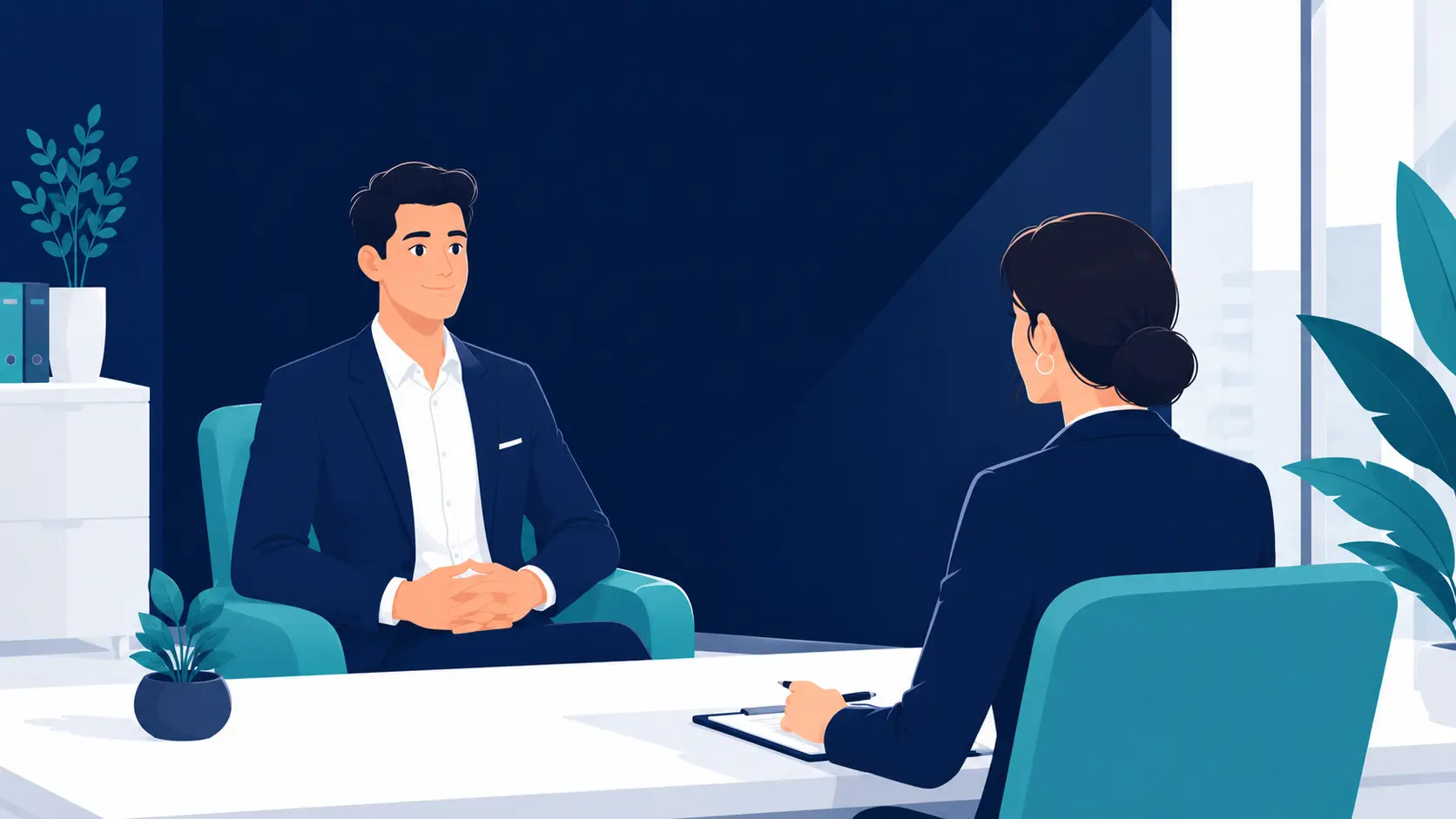
A job interview is the decisive moment when your resume transforms from mere paper into a real opportunity. You may be the most qualified among the applicants, but if you don't prepare well for the interview, you could lose the job to someone less experienced who simply knew how to present themselves. In 2026, with rising competition and the arrival of remote interviews and AI in the hiring process, luck is no longer enough — organized preparation is what makes the difference.
In this practical guide, you'll learn step by step how to prepare for a job interview with confidence, from researching the company to following up afterward, covering expected questions, body language, and the mistakes to avoid. The goal is for you to walk into the interview feeling ready for any scenario.
✍️"A successful interview doesn't begin when you sit in front of the recruiter — it begins days earlier when you start preparing. Confidence isn't a talent; it's the result of good preparation."
Why Good Preparation Is Half the Battle
A recruiter can easily tell the difference between a candidate who prepared and one who relied on improvisation. Good preparation not only helps you answer questions better, but also gives you a confidence and calm that show in your tone, posture, and body language. When you're prepared, the interview turns from a "scary test" into a "professional conversation" where you present your value with confidence. And since your resume is the starting point, make sure it's strong and tailored to the role first — you can review our guide on how to write a professional CV before you begin your interview preparation.
Step One: Research the Company Thoroughly
The first thing that reveals whether you're prepared is your knowledge of the company. A few days before the interview, set aside time to research:
The company's business and field: What products or services it offers and who its clients are.
Its values and culture: Read the "About Us" page and its LinkedIn accounts to understand its style.
Its latest news and achievements: A new project, expansion, or award — mentioning it in the interview leaves a strong impression.
The role itself: Read the job description carefully and understand what the company truly seeks.
This research helps you connect your experience to the company's needs and makes your answers tailored rather than generic.
Step Two: Prepare for Expected Questions
Most interviews revolve around a set of recurring questions. Preparing your answers in advance gives you a major advantage. Among the most important are:
Tell me about yourself: A short professional summary linking your experience to the role, not your life story.
Why do you want to work with us? This is where your company research shows.
What are your strengths and weaknesses? Be honest, and present a weakness alongside a plan to improve it.
Where do you see yourself in five years? Show realistic ambition aligned with the company.
Why did you leave your previous job? Answer positively without criticizing your former employer.
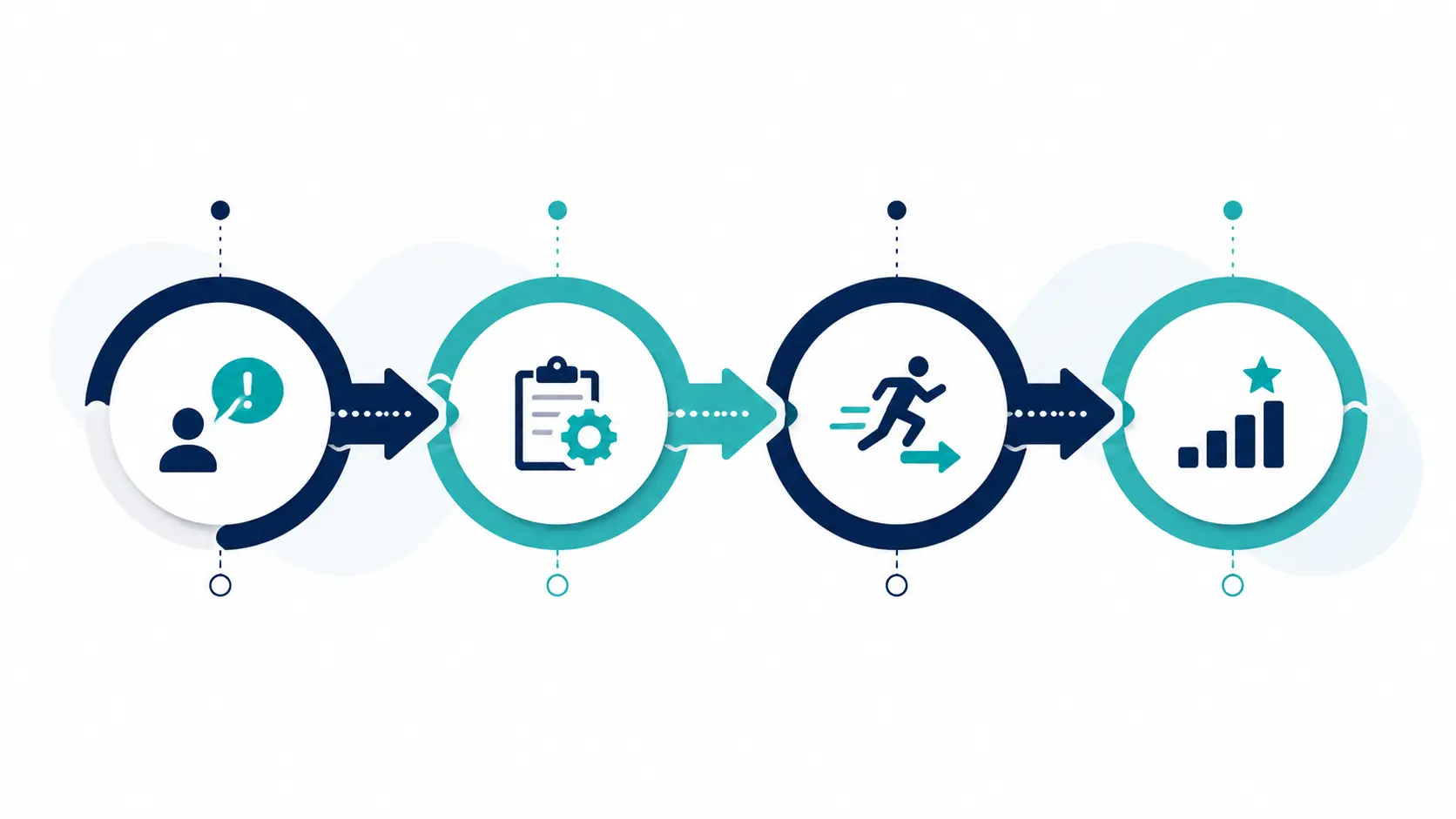
A golden tip: use the STAR method when answering experience questions (Situation – Task – Action – Result), meaning explain the situation, your task in it, what you did, and the result you achieved. This method turns your answer from generic talk into a convincing story with numbers.
Step Three: Prepare Your Own Questions Too
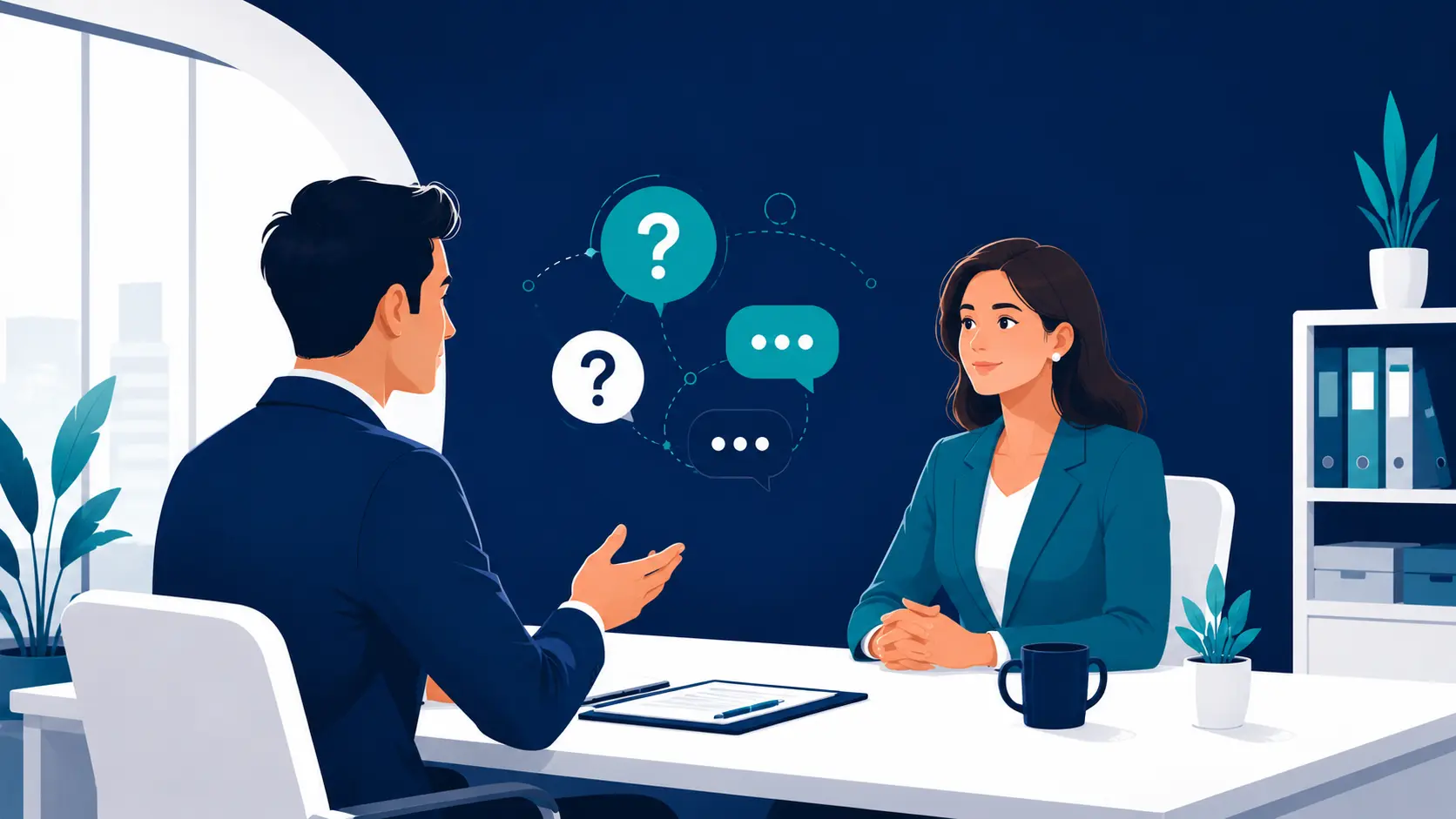
An interview is a two-way conversation, and a common mistake is for the candidate to settle into the role of answerer only. When the recruiter asks at the end "Do you have any questions?", your silence suggests a lack of interest. Prepare two or three smart questions such as: What is the team I'll be working with like? What are the biggest challenges in this role? What does success look like in this position within the first six months? These questions demonstrate your seriousness and genuine interest in the role.
Step Four: Mind Your Appearance and First Impression
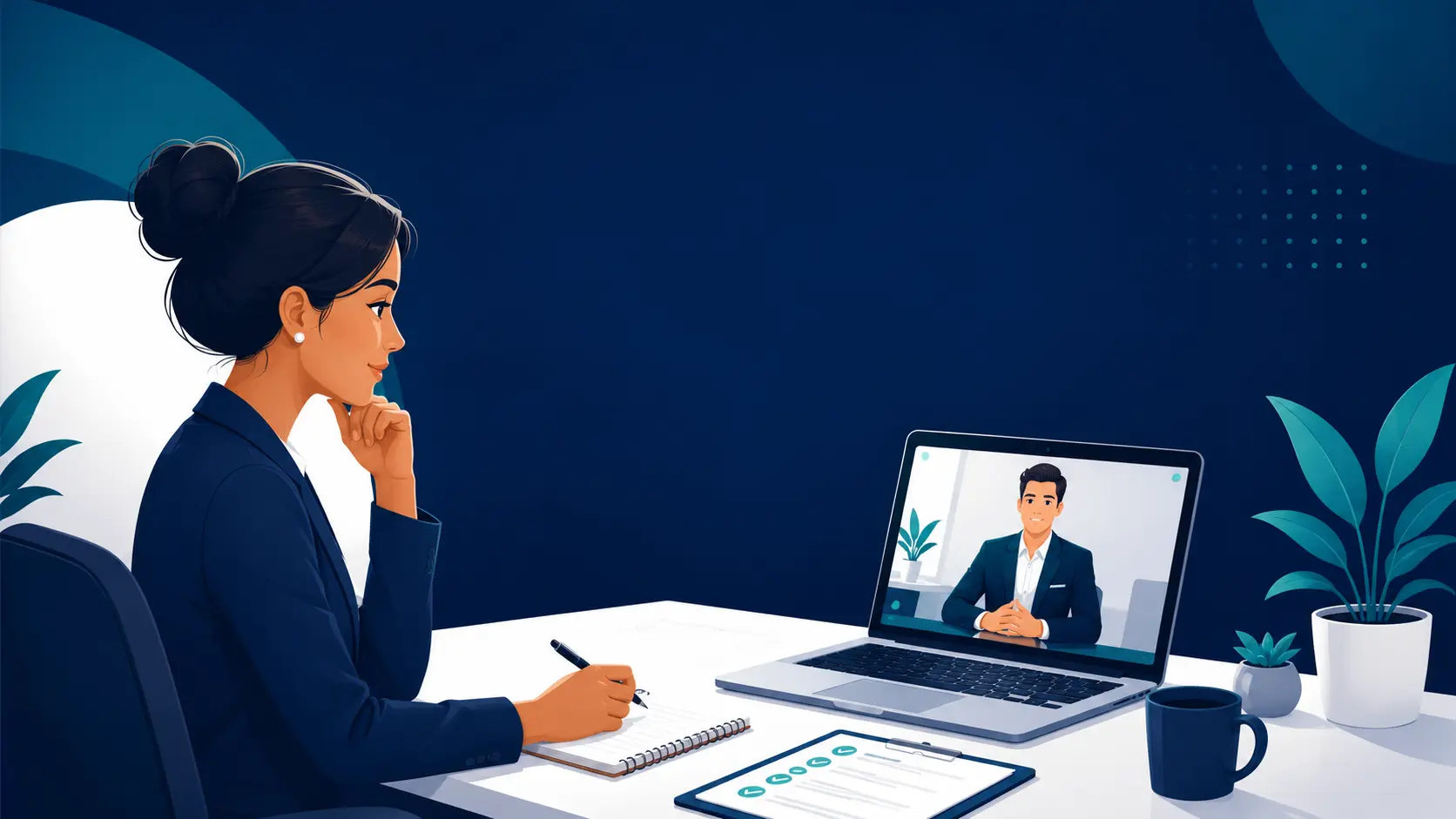
The first impression forms within the first few seconds, before you say a word. Choose clothing appropriate to the company's culture; formal or semi-formal is a safe choice in most cases. Keep a tidy, clean appearance, and arrive at least ten minutes early if the interview is in person. If it's remote, test your camera, audio, and internet beforehand, and sit in a quiet place with good lighting and a tidy background.
Step Five: Watch Your Body Language
Body language sometimes speaks louder than your words. An upright posture, balanced eye contact, a natural smile, and a confident handshake (in in-person interviews) all send a message of confidence. Avoid crossing your arms, nervous foot or hand movements, and looking down too much. In remote interviews, look at the camera rather than the screen to create a sense of direct connection.
Step Six: Practice Before the Real Interview
Practice turns knowledge into performance. Ask a friend or family member to conduct a mock interview with you, or record yourself on video answering common questions. You'll notice mistakes in tone, pace, or body language you weren't aware of. The more you practice, the less nervous you'll be on interview day and the more natural your answers will become.
Common Mistakes That Cost You the Job
Even a qualified candidate can lose due to simple mistakes. Among the most prominent:
Not researching the company: Instantly reveals a lack of seriousness.
Arriving late: A bad impression that's hard to fix.
Long, rambling answers: Stay focused and direct.
Criticizing your former employer: Paints a negative picture of you.
Exaggerating or lying: Easily exposed and destroys your credibility.
Asking no questions: Suggests a lack of interest.
Avoiding these mistakes alone can lift you above half the competition.
Step Seven: Follow Up After the Interview
Many candidates' role ends the moment they leave the interview, while professionals know that following up is part of the preparation. Send a short thank-you email within 24 hours, thanking the recruiter for their time, confirming your interest in the role, and reminding them of a positive point from the conversation. This simple touch keeps you present in their mind and shows your professionalism.
Table: A Quick Pre-Interview Checklist
Item | Required Status |
|---|---|
Company research | Completed at least a day before |
Common-question answers ready | Practiced using the STAR method |
Questions to ask the recruiter | 2–3 ready |
Clothing and appearance | Appropriate and tidy |
Equipment (for remote interviews) | Tested in advance |
Copy of your resume | Ready, printed/digital |
Extra Tips for Remote Interviews in 2026
Remote interviews have become an essential part of modern hiring, and they have their own rules. Make sure your internet is stable, use a headset to improve audio, and turn off notifications and apps that might interrupt you. Sit upright in front of the camera, keep front-facing lighting that shows your face clearly, and treat the virtual interview with exactly the same seriousness as an in-person one.
For a deeper look at interview skills, you can check the LinkedIn Help Center, which offers trusted guidance from one of the largest hiring platforms in the world.
How to Handle Stress on Interview Day
Stress is a natural feeling, even for experienced people, and the point isn't to eliminate it but to manage it. Start with enough sleep the night before, because an exhausted mind fails you on the simplest questions. In the morning, eat a light meal and avoid excessive caffeine, which only increases anxiety. A few minutes before the interview, take several slow, deep breaths — they calm your heartbeat and restore your focus. Remind yourself of a simple truth: the company invited you because it saw something worthwhile in you, so you're not on the defensive but in a position to present. Turn your stress into positive energy by treating the interview as a chance for you, too, to learn about the company and decide whether it's right for you.
What to Do If You Don't Know an Answer
It's impossible to anticipate every question, and you may face a technical question or a situation you have no ready answer for. The biggest mistake here is pretending to know or fabricating an answer, because the recruiter will likely see through it. It's better to take a brief, calm moment to think, then answer honestly while showing your thought process. You can say you haven't faced this specific situation, but explain how you'd logically approach it. This shows your maturity and ability to act under pressure — a trait employers value more than memorizing every answer. Honesty paired with sound logic is always stronger than an empty claim.
Final Thoughts
Preparing for a job interview isn't a luxury — it's what separates those who get the job from those who leave empty-handed. Research the company, prepare your answers using the STAR method, mind your appearance and body language, practice well, and don't forget to follow up afterward. Each of these steps raises your confidence and your chances. Remember that an interview is an opportunity to present your value, not a test designed to embarrass you.
And if you want to start from the foundation, make sure your CV and resume are error-free through our guide on common resume mistakes and how to avoid them.
Start exploring the latest job opportunities on NabdJobs, and apply with confidence now that you're ready for your next interview.