

Quick answer: To succeed in remote work, you need two stages: first, finding the job through specialized remote-work platforms and LinkedIn with a prepared CV, then succeeding in it through self-discipline, clear communication, and managing your time with healthy boundaries. The golden rule: remote work is a global opportunity that transcends location, but it rewards the disciplined and organized — the freedom it grants requires greater self-responsibility to turn it into sustainable success.
Introduction: Why Has Remote Work Become the Opportunity of the Era?
In recent years, the world has witnessed a radical shift in the nature of work. The office is no longer the only place to perform jobs; remote work has become a real option for millions of professionals worldwide, including many talents in Saudi Arabia and the Gulf.
Remote work opens opportunities for you that weren't available before: working with global companies without leaving your home, flexibility in organizing your time, and saving the time and effort of the daily commute. In return, it requires skills and discipline different from traditional office work.
In this complete guide, you'll learn how to find a suitable remote job and how to succeed and excel in it. We'll cover your entire journey from searching for the opportunity to thriving in it, step by step.
Part One: How to Find a Remote Job?
Finding a remote job is like searching for any job, but with special channels and methods. Opportunities are many, and competition is global, so you need a smart strategy.
Where to Search for Remote Jobs?
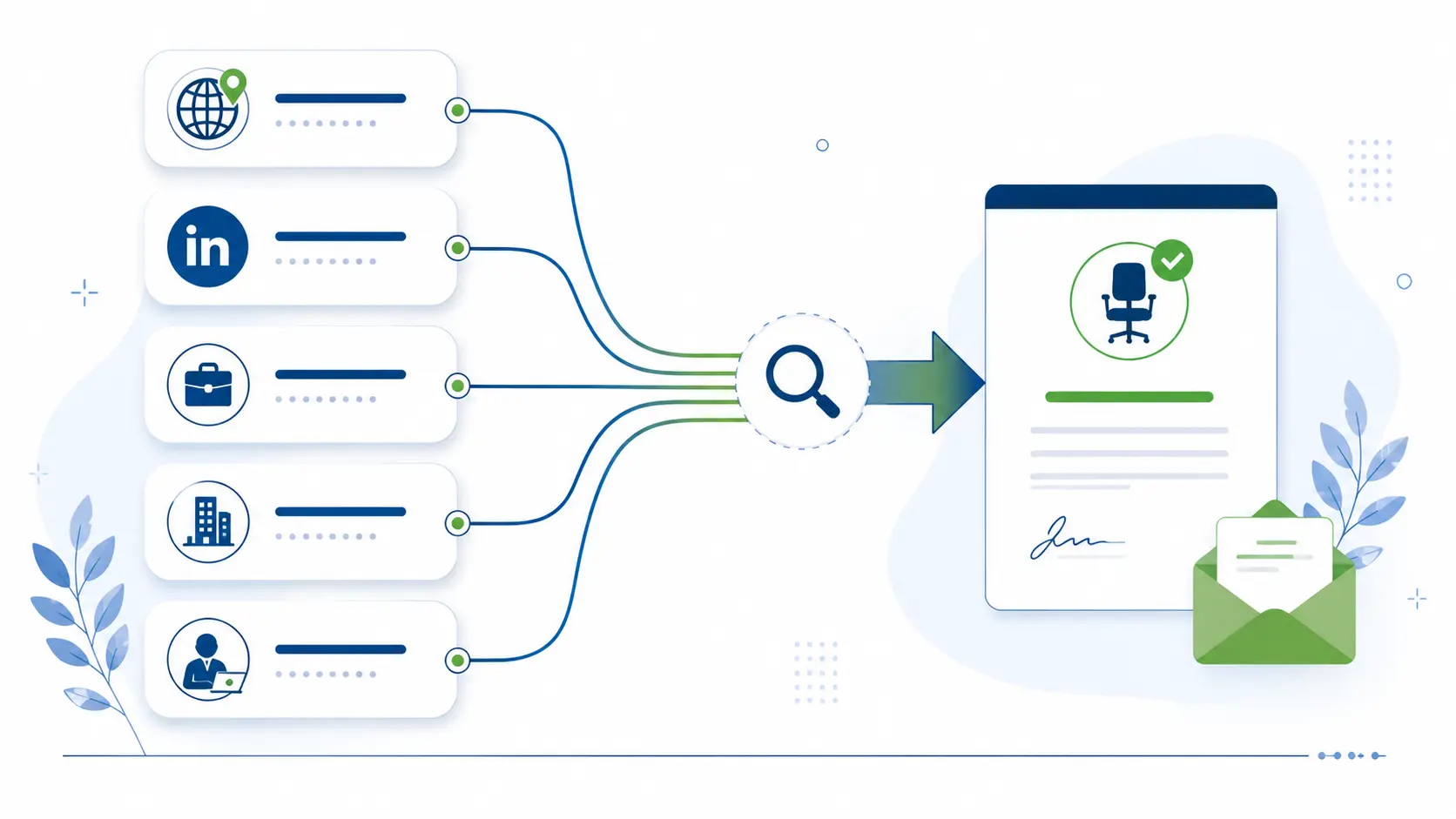
Multiple channels are available for searching for remote jobs:
Specialized remote-work platforms: sites focusing exclusively on remote jobs.
LinkedIn: with a "remote" filter in the job search.
General job platforms: that add a remote-work option.
Company websites directly: especially tech and global companies.
Freelance platforms: for projects and flexible contracts.
Diversify your sources to widen your chances. And to dig deeper into search strategy, see the online job search guide.
Prepare Yourself to Apply
Before you apply, make sure your tools are ready:
A strong CV that highlights your skills suited to remote work, as in the CV writing guide.
A professional LinkedIn profile that reflects your experience, as in the LinkedIn guide.
Highlighting remote-work skills like discipline, written communication, and technical adaptability.
A candidate who shows readiness for remote work specifically gets ahead of others in employers' eyes.
Part Two: Skills for Success in Remote Work
Finding the job is half the journey; succeeding in it is the more important half. Remote work requires personal skills different from office work.
1. Self-Discipline
In the absence of a direct manager and office, your self-discipline becomes your main engine. The ability to start and commit without external supervision is what most distinguishes successful remote workers.
2. Clear Communication
Most remote communication is written and asynchronous. The skill of writing clear, concise messages prevents misunderstandings and keeps the team aligned. This is one of the core soft skills for remote work.
3. Time Management
Without an office structure, managing your time becomes your responsibility alone. Organizing your day, setting priorities, and avoiding distractions are vital skills for your productivity.
4. Independence
Remotely, you can't always ask a colleague next to you. The ability to research, solve problems, and make decisions yourself makes you a reliable, productive employee.
Set Up an Effective Home Work Environment
Your physical environment directly affects your productivity and focus. To set up a good workspace:
Dedicate a fixed corner for work away from home distractions.
Invest in a comfortable chair and desk for your health and focus.
Ensure strong, stable internet, as it's the lifeline of remote work.
Provide good lighting especially for video meetings.
An organized workspace helps you enter focus mode easily. And for full details on tools, see the remote work tools and skills guide.
Master Communication With a Distributed Team
Effective communication is the backbone of any team working remotely. The absence of in-person meetings makes conscious communication a necessity, not an option.
For effective remote communication:
Be clear and concise in your written messages.
Update your team regularly on your task progress.
Respond within a reasonable time without delays that hinder others.
Use video meeting tools for important discussions.
Document important decisions in writing for reference.
Proactive communication builds trust and compensates for the absence of daily office interaction.
Maintain Balance and Avoid Burnout
The biggest trap in remote work is the dissolving of boundaries between work and life, which can lead to burnout. The boundaries you set yourself are your shield.
To maintain your balance:
Define clear work hours and commit to them.
Separate the workspace from rest mentally and physically.
Take regular breaks throughout the day.
Disconnect completely after work without constant checking.
Sustainable productivity comes from balance, not working non-stop. To dig deeper into this aspect, see the time management and avoiding burnout guide.
Table: Advantages and Challenges of Remote Work
Advantages | Challenges |
|---|---|
Flexibility in time and place | Difficulty separating work and life |
Saving commute time and effort | Isolation and weak social contact |
Access to global opportunities | Need for higher self-discipline |
Comfortable work environment | Home distractions |
Awareness of the challenges is half of solving them, as success in remote work lies in maximizing the advantages and managing the challenges wisely.

Common Mistakes in Remote Work
Absence of clear boundaries between work and personal life.
Weak communication and leaving the team without updates.
Working from places full of distractions like the bed and couch.
Neglecting self-discipline and relying on mood.
Complete isolation and neglecting social contact.
Working non-stop until reaching exhaustion.
Avoiding these mistakes makes your remote work experience more successful and sustainable.
For additional professional tips on remote work, you can refer to trusted resources such as Indeed's remote work guide.
Conclusion
Remote work is a great opportunity that transcends location boundaries and opens global doors, but it rewards those who possess discipline and the right skills. Your journey begins with finding the job through the right platforms and a prepared CV, and is completed by succeeding in it through organization, communication, and balance.
Start today by preparing your tools and developing your remote-work skills, then search smartly for the right opportunity. Remember: remote work grants you great freedom, but it requires matching self-responsibility. Make yourself a disciplined professional to thrive in this growing work style.
Frequently Asked Questions About Remote Work
How do I find a remote job?
Search through specialized remote-work platforms, LinkedIn with a "remote" filter, general job platforms, and company websites directly. Prepare a CV and LinkedIn profile that highlight your skills suited to remote work, like discipline and written communication.
What skills are needed to succeed in remote work?
The most important are self-discipline, clear written communication, time management, and independence in problem-solving. These personal skills compensate for the absence of direct supervision and an office, and are what distinguish successful remote workers from others.
How do I avoid burnout in remote work?
Define clear work hours and commit to them, separate the workspace from life mentally and physically, take regular breaks, and disconnect completely after work. Clear boundaries are your shield against the dissolving of the separation between work and personal life.
Is remote work suitable for everyone?
Not necessarily. Remote work suits those who have self-discipline and the ability to organize and work independently. Those who need an external organized environment or direct social interaction may find it harder, but most of these skills can be developed with practice.
Your Practical Step Now
Don't delay. Today only:
Register on two remote-work platforms and prepare your CV to highlight your suitable skills, or
Set up a fixed work corner in your home with stable internet away from distractions.
A small start today beats the perfect opportunity that never comes.