
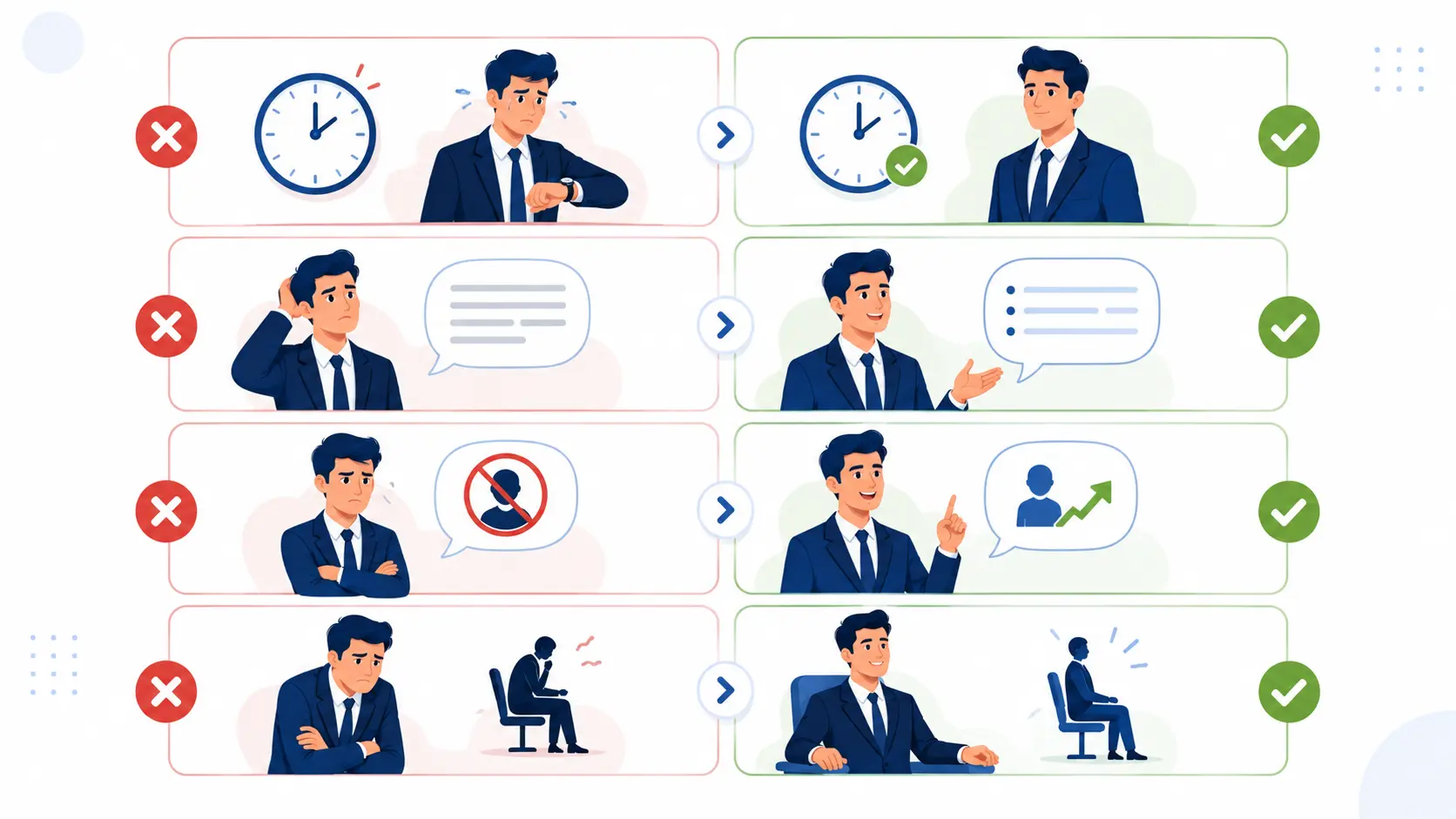
Quick answer: The most common interview mistakes that cost you the job: poor preparation and not knowing the company, arriving late, generic answers with no examples, speaking negatively about previous employers, tense body language, and not asking questions at the end. The golden rule: many capable candidates lose the job because of simple, avoidable mistakes — a successful interview doesn't need perfection, just avoiding the fatal mistakes with awareness and preparation.
Introduction: Why Do the Qualified Lose the Job in the Interview?
One of the most frustrating situations is reaching the interview stage with excellent qualifications, then not getting the job. Often the reason isn't a lack of competence, but mistakes in the interview that weakened your impression and tipped the scales toward another competitor who may have been less experienced but avoided these mistakes.
An interview isn't just a test of qualifications, but a comprehensive evaluation of how you present yourself and interact. One mistake can overshadow all your strengths in the recruiter's mind, especially in a competitive market crowded with qualifications.
In this guide, we'll reveal the most common mistakes that cost candidates their jobs in interviews, and how to avoid them to raise your chances. This guide complements the steps in interview preparation, as avoiding mistakes is an inseparable part of success.
Mistake #1: Poor Preparation and Not Knowing the Company
The most common mistake and the easiest to avoid. Showing up to an interview without knowing about the company or the job gives an immediate impression of not being serious or interested.
How to avoid it:
Research the company: its business, values, latest news.
Understand the job details and required skills.
Prepare how to connect your experience to the company's need.
Prepare your answers to expected questions in advance.
Good preparation shows clearly in your answers and confidence, and sets you apart from an unprepared candidate. For full preparation, see the interview preparation guide.
Mistake #2: Arriving Late
The first impression starts before you enter the room. Arriving late to the interview sends a direct message of unprofessionalism and disrespect for others' time, and it's hard to make up for.
How to avoid it:
Plan to arrive 10–15 minutes before the appointment.
Confirm the location and route in advance.
Allow extra time for unexpected circumstances.
In remote interviews, confirm the technology and connection early.
Arriving early doesn't just give you a good impression, but precious minutes to calm your nerves before going in.
Mistake #3: Generic Answers With No Examples
Abstract generic answers ("I'm hardworking and organized") convince no one, because everyone says them. The outstanding candidate backs every claim with a tangible, real example.
How to avoid it:
Back every answer with a real example from your experience.
Use the STAR method (Situation, Task, Action, Result).
Mention results with numbers when possible.
Avoid abstract theoretical talk with no evidence.
Tangible examples turn your answers from claims into convincing evidence. To dig deeper into answers, see the interview questions guide.
Mistake #4: Speaking Negatively About Previous Employers
One of the most dangerous and harmful mistakes. Criticizing your previous employer or colleagues, even if you're right, gives a negative impression of you, not them.
How to avoid it:
Speak positively about your previous experiences.
Focus on what you learned rather than the negatives.
If asked why you left, frame it as seeking growth.
Avoid any tone of complaint or blame.
The recruiter wonders: "If they speak negatively about them, what will they say about us?". Maintain your professionalism no matter your experiences.
Mistake #5: Tense or Negative Body Language
Your words may be perfect, but tense body language may contradict them and weaken your impression. Avoiding eye contact, slouched posture, and nervous movements all send negative messages.
How to avoid it:
Maintain balanced eye contact.
Sit upright with confidence and relaxation.
Avoid distracting nervous movements.
Smile naturally and show engagement.
Confident body language reinforces your words and leaves a professional impression. For details, see the interview body language guide.
Mistake #6: Not Asking Questions at the End
When the interviewer asks "Do you have any questions?", replying with "No" gives an impression of weak interest or little preparation. This is a wasted opportunity to show your seriousness.
How to avoid it:
Prepare smart questions in advance about the role and company.
Ask about the challenges and how success is measured.
Inquire about development and growth opportunities.
Avoid questions focusing only on vacation and salary at the start.
Good questions present you as an interested candidate thinking about delivering value, not just getting a job.
Other Mistakes Worth Noting
Beyond the major mistakes, watch out for these details that weaken your performance:
Inappropriate appearance for the company's nature.
Interrupting the interviewer or not listening well.
Excessive length in answers or damaging brevity.
Exaggerating or lying about qualifications.
Showing excessive anxiety that overshadows your performance.
Checking your phone during the interview.
These small details combined can make a big difference in the final impression.
Table: Interview Mistakes and How to Avoid Them
Mistake | Solution |
|---|---|
Poor preparation | Research and prepare your answers in advance |
Arriving late | Plan to arrive early |
Generic answers | Back them with examples and numbers |
Negative talk | Always stay positive |
Tense body language | Practice confidence and eye contact |
Not asking questions | Prepare smart questions in advance |
Awareness of these mistakes and their solutions is half the way to avoiding them and delivering a strong interview.
How Do You Recover From a Mistake During the Interview?
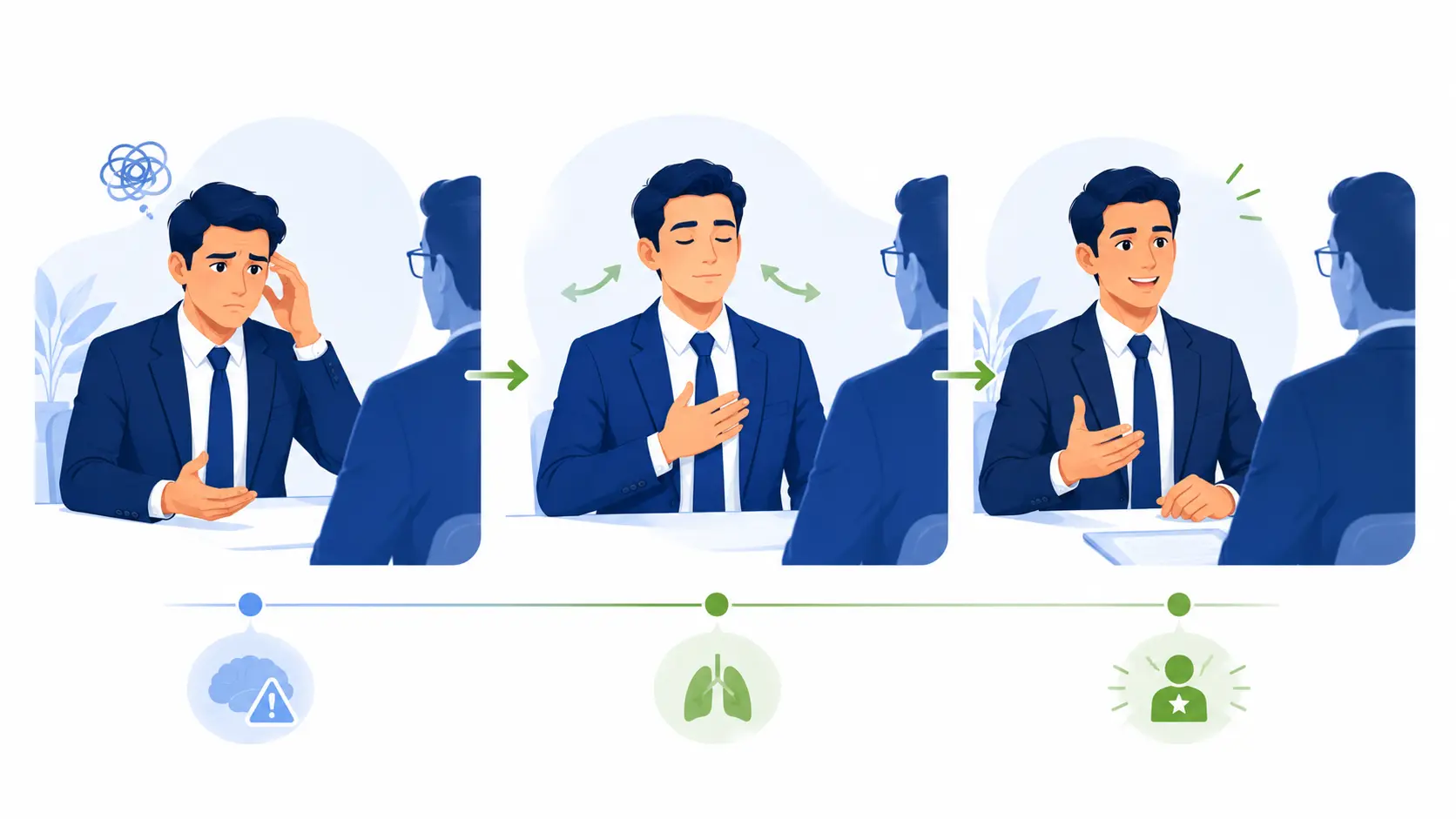
You may make a mistake despite your preparation. What matters is how you handle it, as smart recovery may leave a better impression than perfection:
Don't panic; take a breath and regain your focus.
Correct calmly if you said something wrong.
Don't give up over one mistake; focus on what remains.
Maintain your confidence, as the interviewer evaluates your overall performance.
The ability to recover calmly shows your maturity and composure under pressure, a trait employers value.
For additional professional tips on interviews, you can refer to trusted resources such as Indeed's interview mistakes guide.
Conclusion
Many capable candidates lose their jobs not because of a lack of qualifications, but because of simple interview mistakes that can be avoided with awareness and preparation. Poor preparation, arriving late, generic answers, negative talk, tense body language, and not asking questions — all are barriers that weaken your impression.
The good news is you now know these mistakes and how to avoid them. Review them before your next interview, and prepare well. Remember: a successful interview doesn't need perfection, but avoiding the fatal mistakes and conscious preparation. Make every interview an opportunity to present your best with confidence and professionalism.
Frequently Asked Questions About Interview Mistakes
What is the most common mistake that costs you the job in an interview?
Among the most harmful is poor preparation and not knowing the company, because it gives an immediate impression of not being serious. Next come speaking negatively about previous employers and generic answers with no examples, all of which severely weaken your impression.
How do I avoid the anxiety that ruins my interview performance?
Good preparation is the best cure for anxiety, as confidence comes from readiness. Breathe deeply before entering, remember the interview is a conversation not a test, and focus on your value. Confident body language also helps calm your internal anxiety.
Does speaking negatively about my previous job hurt me?
Yes, severely. Criticizing your previous employers, even if you're right, gives a negative impression of you. The interviewer wonders: "What will they say about us later?". Always speak positively and focus on what you learned rather than the negatives.
What do I do if I make a mistake during the interview?
Don't panic; take a breath and regain your focus. Correct calmly if you said something wrong, and don't give up over one mistake but focus on what remains. The ability to recover calmly shows your maturity and composure under pressure, a trait employers value.
Your Practical Step Now
Don't delay. Before your next interview:
Review the list of six mistakes and make sure you avoid them in your preparation, or
Prepare 3 smart questions to ask at the end of the interview to show your seriousness.
A small start today beats the perfect preparation that never comes.