

Quick answer: To prepare for a job interview successfully, follow 5 steps: research the company and role thoroughly, prepare your answers to common questions with real examples, prepare your own questions to ask, practice your appearance and body language, and organize your documents and arrive early. The golden rule: a successful interview is won before you enter through good preparation, not by improvising in the moment — the more you prepare, the less anxious and more confident you'll be.
Introduction: Why Preparation Is Half the Interview's Success
Getting an interview invitation means your CV succeeded in its mission, and now it's your turn to prove yourself face to face. Yet many waste this precious opportunity for one reason: poor preparation.
An interview isn't a test of luck or an innate talent for talking; at its core, it's a test of preparation. The candidate who researches, prepares, and practices walks in with confidence and clarity, while the one who relies on improvisation often stumbles at the first unexpected question.
In this complete guide, you'll learn how to prepare for a job interview step by step, from researching the company to after the interview, in a practical way that lowers your anxiety and raises your chances of landing the job. And if you're still preparing your file, first make sure your CV is strong.
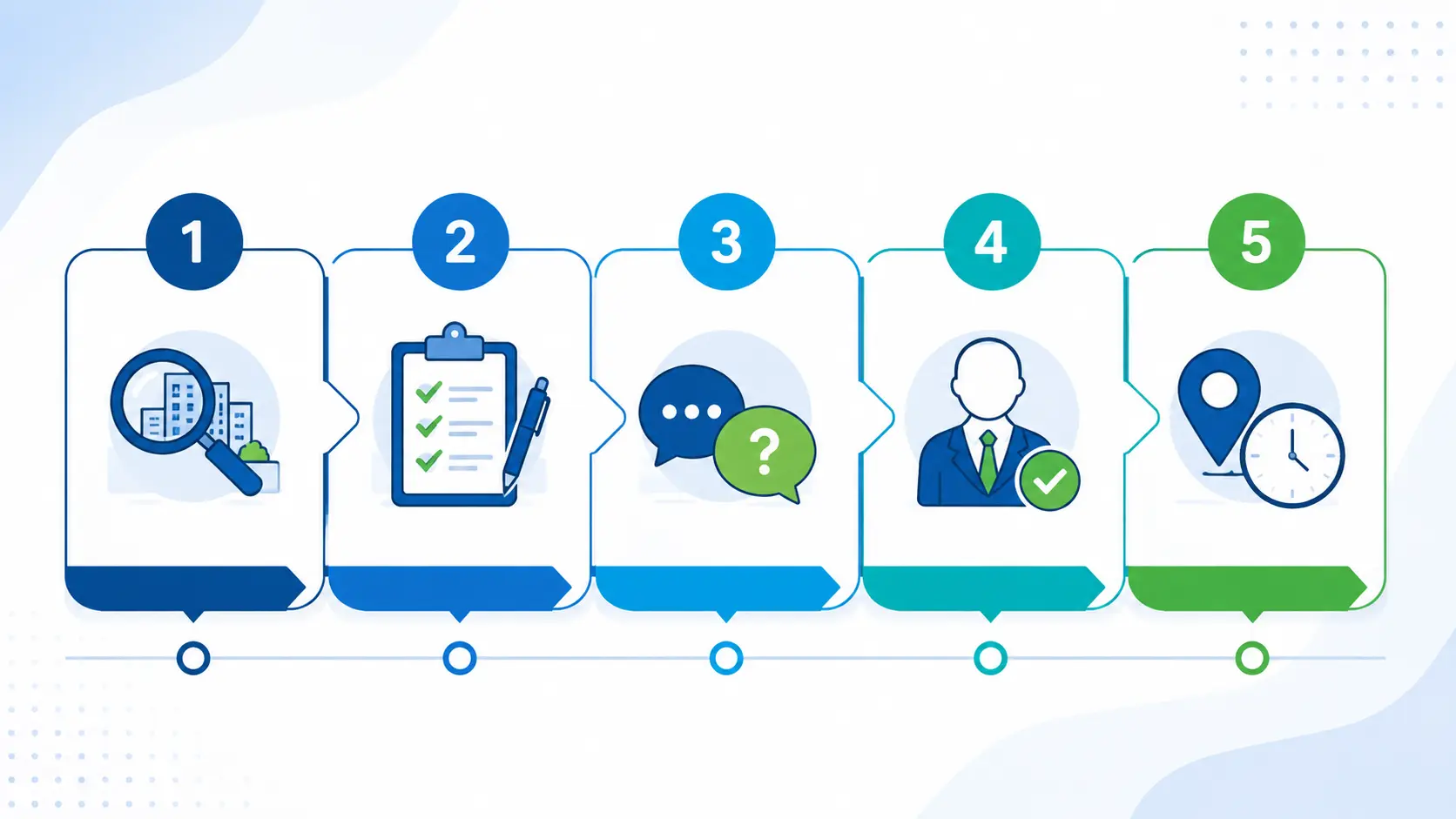
Step 1: Research the Company and Role
The first thing that distinguishes a serious candidate is their knowledge of the organization they're applying to. Showing up to an interview without knowing about the company gives an immediate impression of not caring.
Before the interview, gather information about:
The company's business and field: What does it offer and who are its clients?
Its values and culture: What does it take pride in and look for in employees?
Its latest news and achievements: new projects or recent expansions.
The details of the role itself: required duties and core skills.
This knowledge lets you connect your experience to the company's needs and shows your genuine enthusiasm for the opportunity.
Step 2: Prepare Your Answers to Common Questions
Most interviews revolve around a set of expected questions. Preparing for them in advance keeps you from fumbling and gives you organized, convincing answers.
Among the key questions to prepare for:
Tell me about yourself.
Why do you want to work with us?
What are your strengths and weaknesses?
Where do you see yourself in 5 years?
Why did you leave your previous job?
The key is not to memorize rigid answers, but to prepare main ideas backed by real examples from your experience. For a full list of questions with the professional way to answer, read the guide on the top 20 interview questions and how to answer them.
Step 3: Prepare Your Own Questions
An interview is a two-way conversation, not a one-sided interrogation. When the interviewer asks at the end "Do you have any questions?", replying with "No" gives an impression of weak interest.
Prepare smart questions that show your seriousness, such as:
What does a typical workday in this role look like?
What are the main challenges I'll face?
How do you measure success in this position?
What development and growth opportunities are available?
Good questions flip the equation, presenting you as a candidate thinking about delivering real value, not just earning a salary.
Step 4: Mind Your Appearance and Body Language
The first impression forms in seconds, before you say a word. Your appearance and body language speak for you first.
For appearance:
Choose formal clothing suitable to the company's nature.
Ensure cleanliness and overall neatness.
Avoid overdoing perfume or accessories.
For body language, practice a confident handshake, eye contact, and upright posture. For deeper details on body-language mistakes that could cost you the job, see the guide on body language in the interview.
Step 5: Organize Your Documents and Arrival
Small logistical details can make a big difference on interview day. Chaos or lateness dissolves any good impression you've built.
The day before:
Prepare printed copies of your CV.
Confirm the interview location and how to get there.
Plan to arrive 10–15 minutes early.
Lay out your clothes and papers the night before.
Get enough sleep.
Arriving early and calm gives you precious minutes to catch your breath and settle your nerves before going in.
How to Handle Pre-Interview Anxiety
Pre-interview anxiety is a natural feeling, even for professionals. The point is not to let it control you. To manage it:
Breathe deeply several times before entering to calm your nerves.
Prepare well — confidence comes from readiness, not luck.
Remember it's a conversation, not a test, and that you're evaluating the company too.
Focus on your value — you're here because you're qualified and wanted.
Turn anxiety's energy into focus and enthusiasm; it's a sign the opportunity matters to you.
What to Do After the Interview
The interview doesn't end when you leave the room. The steps that follow can strengthen your impression:
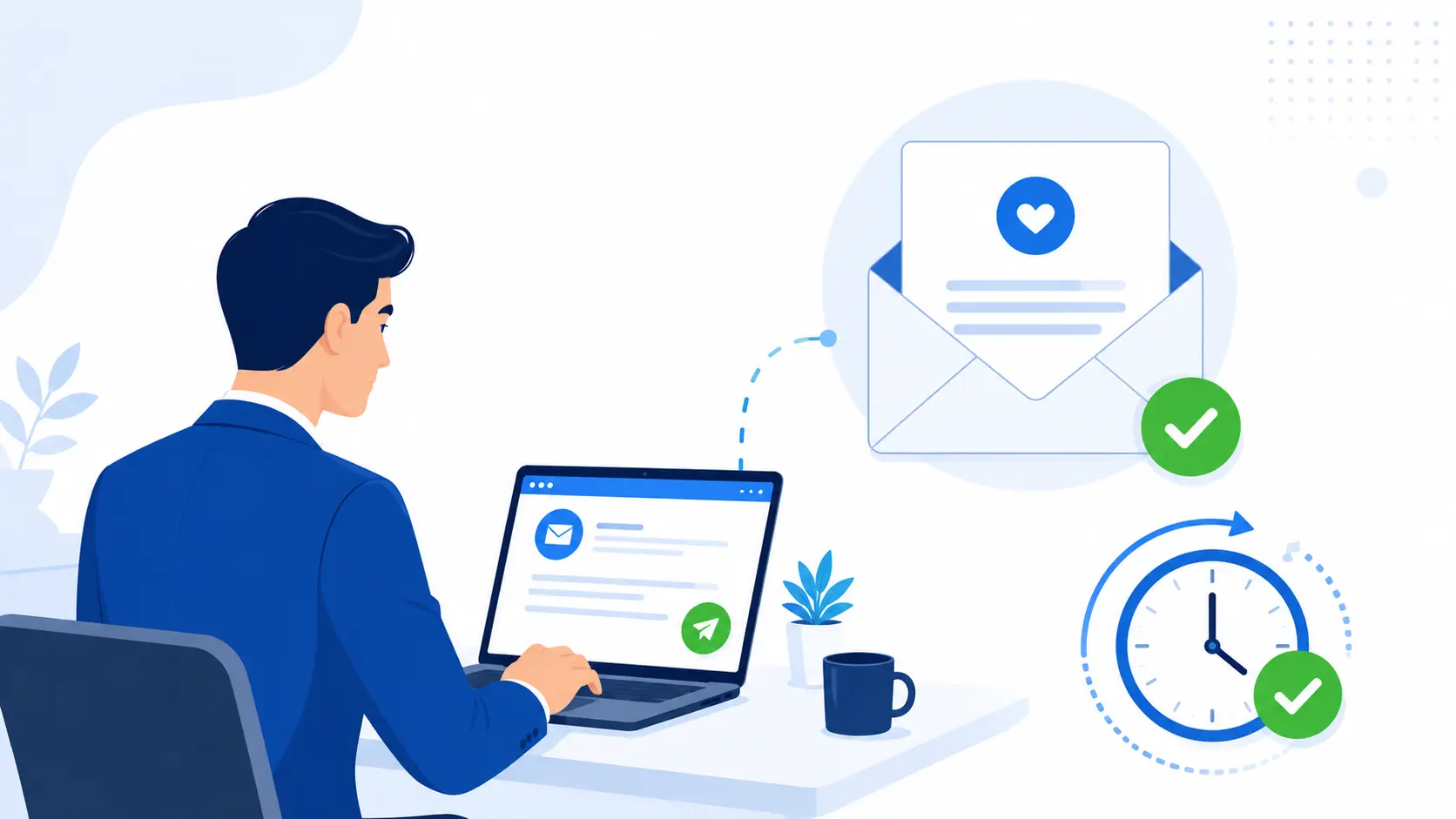
Send a thank-you message within 24 hours expressing appreciation for the opportunity.
Review your performance to identify your strengths and what could improve.
Be patient and don't push for follow-up before the agreed date.
A short, polite thank-you note can be the touch that sets you apart from an equally qualified candidate.
Common Mistakes in Interview Preparation
Avoid these mistakes that weaken your performance:
Not researching the company and showing up without knowing it.
Memorizing rigid answers that seem artificial and unnatural.
Neglecting to prepare your own questions.
Arriving late or showing up stressed at the last minute.
Speaking negatively about previous employers.
Awareness of these mistakes is half of avoiding them, so review them before every interview.
For additional professional interview preparation tips, you can refer to trusted resources such as Indeed's interview guide.
Conclusion
Success in a job interview isn't chance or innate talent — it's the result of systematic preparation. When you research the company, prepare your answers and questions, mind your appearance and body language, and organize your documents and arrival, you walk in with a confidence that makes the difference.
Start your preparation today for any upcoming interview, step by step according to this guide. Remember: an interview is won by preparation before it's won by talking, and every minute you invest in getting ready raises your chances of landing the job.
Frequently Asked Questions About Interview Preparation
How do I properly prepare for a job interview?
Prepare through 5 steps: research the company and role, prepare your answers to common questions with real examples, prepare your own questions, mind your appearance and body language, and organize your documents and arrive early. Good preparation lowers anxiety and raises confidence.
What are the most important questions to prepare for?
Among the most important: tell me about yourself, why you want to work with us, your strengths and weaknesses, where you see yourself in 5 years, and why you left your previous job. Prepare main ideas backed by real examples instead of memorizing rigid answers.
Should I prepare questions to ask in the interview?
Yes, preparing smart questions to ask shows your seriousness and interest. Ask about the nature of the role, challenges, how success is measured, and growth opportunities. Replying "I have no questions" gives an impression of weak interest.
How do I handle anxiety before the interview?
Breathe deeply before entering, prepare well because confidence comes from readiness, and remember the interview is a conversation, not a test. Focus on your value and qualifications, and turn anxiety's energy into positive focus and enthusiasm.
Your Practical Step Now
Don't delay. Today only:
Research the company you'll interview with and prepare 3 points connecting your experience to its needs, or
Write your answers to the top 3 expected questions with real examples from your experience.
A small start today beats the perfect preparation that never comes.